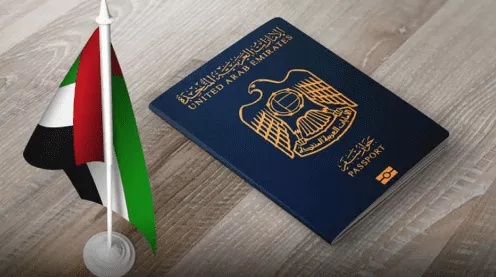
RESIDENT VISA
To secure a residence visa in the UAE, individuals can qualify either as a company owner (investor residence visa) or as an employee (work residence visa). For instance, securing employment in a company based in the United Arab Emirates is one way to obtain a work residence visa. These resident visas are granted by the UAE Immigration Service, a government agency, and typically have a validity period of 2 to 3 years, contingent on the specific emirate and economic zone.
In What Cases Can A Resident Visa Be Refused?
The denial of a resident visa can stem from factors beyond the Anti-Crime Service's decision. Health considerations play a crucial role, with diseases like HIV, hepatitis B, C, D, tuberculosis, syphilis, and other sexually transmitted diseases being significant determinants. This approach by UAE authorities aims to control the entry of individuals who may pose health risks, and in certain instances, individuals with such diseases are required to leave the UAE as a mandatory measure.
MAINTAING UAE RESIDENT STATUS
To maintain an active resident status, the following conditions must be met: Your visa must not be expired. If you are an investor permanently situated outside the UAE, you must visit the UAE at least every 6 months.
The Resident Status Gives Permission To
To maintain an active resident status, you must fulfill the following conditions:
- Officially reside in the UAE.
- Obtain a tax resident certificate from the UAE Ministry of Economy to exempt yourself from paying taxes in your country of permanent residence.
- Rent a house in the UAE.
- Establish mobile and internet services in the UAE.
- Open a bank account in the UAE.
- Obtain a driver’s license in the UAE.
- Enroll children in schools in the UAE.
- Apply to government agencies in the UAE, ensuring that you visit the country at least once every 6 months.